
[Wuzhong Zhongchuang Automatic Control Valve] Sharing: What are the characteristics of solenoid valves? In what areas can they be applied?
[Wuzhong Zhongchuang Automatic Control Valve] Solenoid valves are not unfamiliar to everyone, but most people only know of them without fully understanding them. There are many types of solenoid valves, but they are broadly similar: they are all switches that use an electric current passing through a coil to act on the valve core to control the on/off flow of gas or liquid. Next, let's learn about the related knowledge of solenoid valves together.
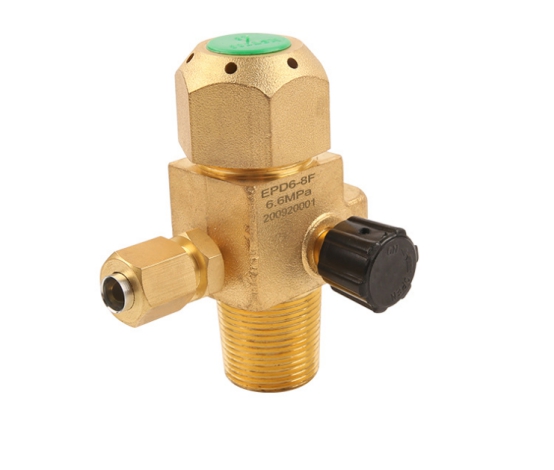
A solenoid valve is an industrial device controlled by electromagnetism. It is particularly common in industrial machine control and industrial valves. It can control the direction, flow rate, speed, and other parameters of the medium, thereby achieving control over the valve's opening and closing. Solenoid valves can be matched with different circuits to achieve expected control, and they also offer control precision and flexibility.
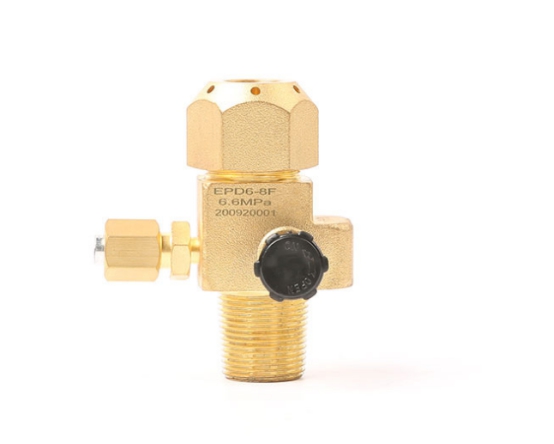
Characteristics of the solenoid valve itself:
1. Switching form: The solenoid valve is driven by a coil and can only be opened or closed. The action time for switching is short.
2. Working nature: Solenoid valves generally have a small flow coefficient and a small working pressure difference. For example, the flow coefficient of a typical size 25 solenoid valve is much smaller than that of a size 15 electric ball valve. The drive of a solenoid valve is via an electromagnetic coil, which is relatively easily damaged by voltage shocks. It functions like a switch, serving only two purposes: opening and closing. Solenoid valves generally reset when power is cut off, whereas electric valves require an additional reset device to achieve this function.
3. Applicable processes: Solenoid valves are suitable for some special process requirements, such as leak prevention, special fluid media, etc.
4. Working principle: The solenoid valve uses electrical energy flowing through a coil to generate electromagnetic attraction to attract the valve core (overcoming spring or gravity force). It is divided into two types: normally open and normally closed. It is usually used to cut off the flow of oil, water, gas, and other substances. It works with electrical equipment such as pressure and temperature sensors to achieve automatic control.
The application of solenoid valves is very extensive. They can not only be used in pneumatic systems but also in hydraulic systems and water pressure systems. They can also be applied in fields such as food, medicine, and electronics. Before use, we should first understand the principle and function of the solenoid valve to achieve good usage results.
The above is an introduction to some knowledge related to solenoid valves. I hope it will be helpful to everyone.