

[Wuzhong Zhongchuang Self-Control Valve] Sharing: Does Globe Valve Installation Have Directional Requirements?
[Wuzhong Zhongchuang Control Valve] Globe valve, a relatively common valve in daily life, can often be seen on water heating pipes in our home environment. Although common, many people don't know much about it. When installing it themselves, some problems may occur, so that it breaks down after a short period of use and needs to be replaced. Some even complain about the poor quality of the valve, leading to many misunderstandings, which is really undeserved.
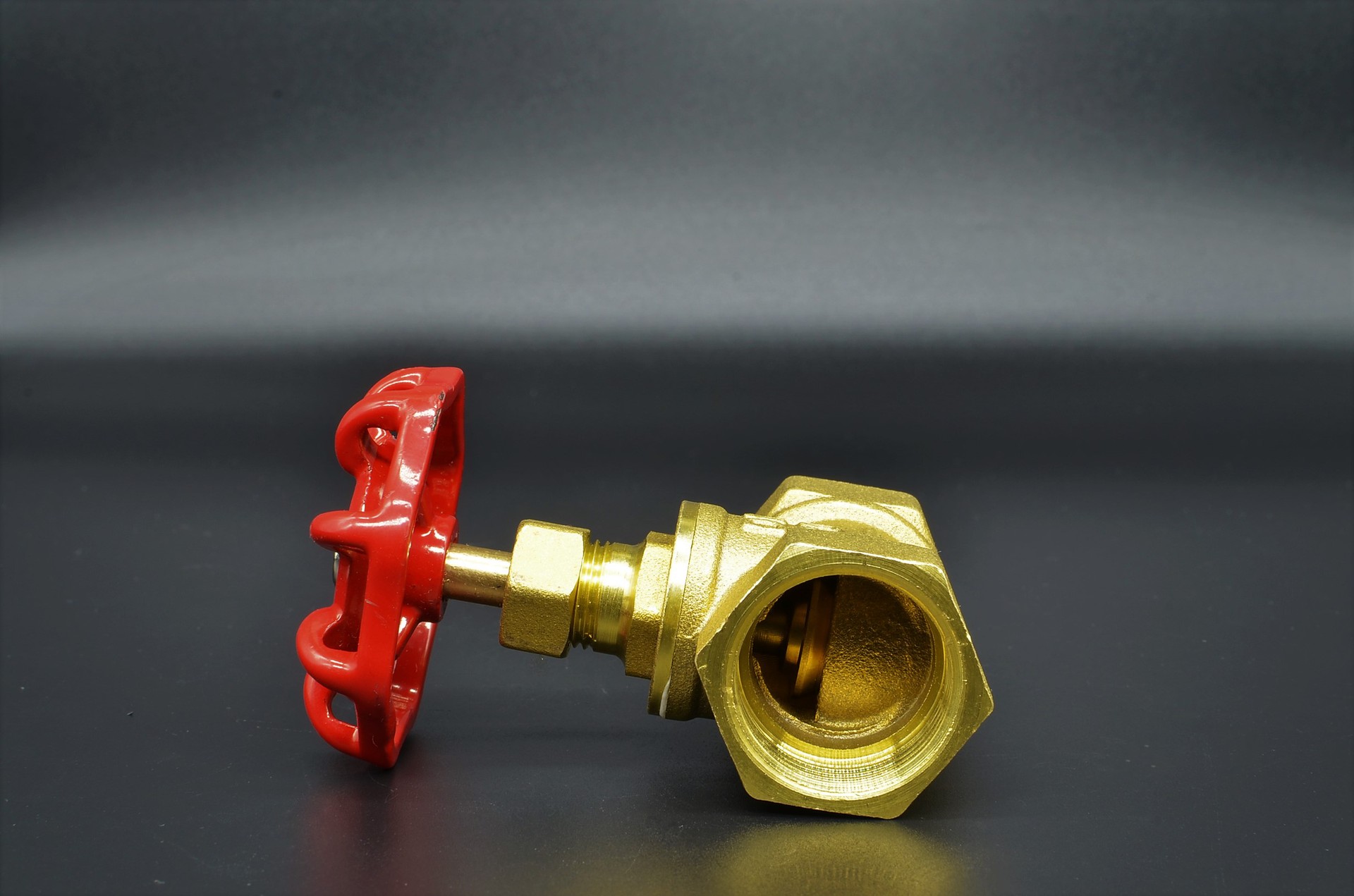
In view of this situation, this issue will popularize the relevant knowledge about globe valves, so that everyone can have a clear understanding and avoid unnecessary troubles when installing it themselves.
About Globe Valve
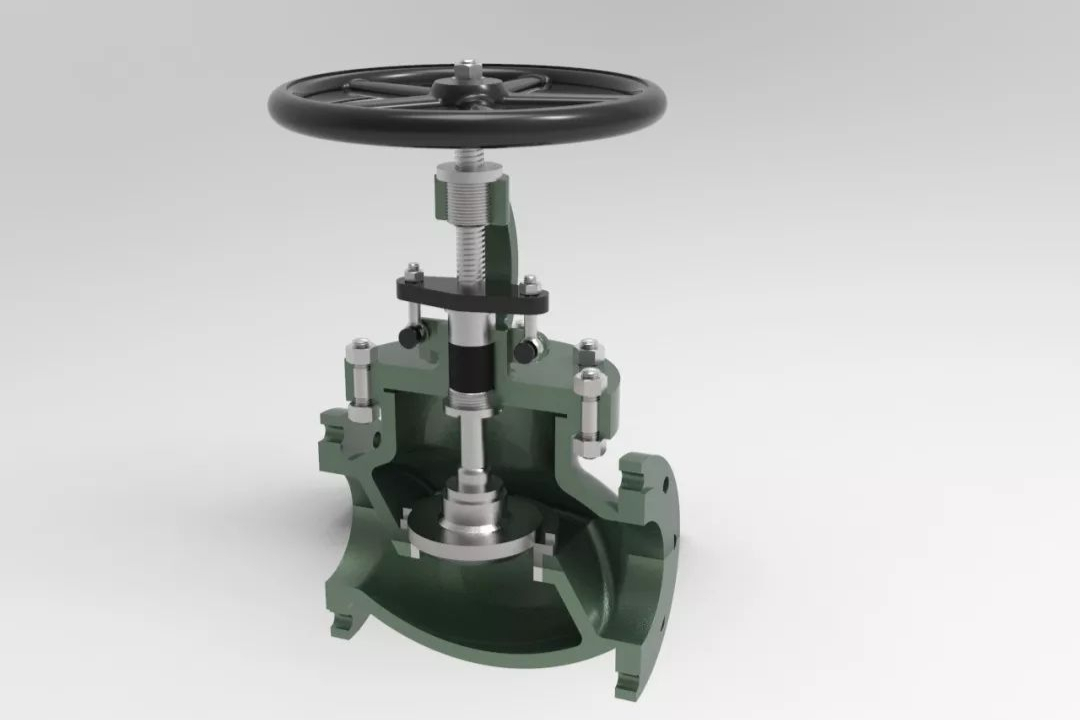
Globe valve, also called forced sealing valve, the so-called "forced" means that when the valve is closed, pressure needs to be applied to the valve disc to forcibly press against the fluid to cut off the fluid flow. The pressure applied is generally in a spiral lifting manner. By turning the valve handle, the valve stem descends and drives the valve disc, so that the sealing surface presses on the valve seat sealing surface in the form of pressure to seal the fluid flow. This is also its working principle.
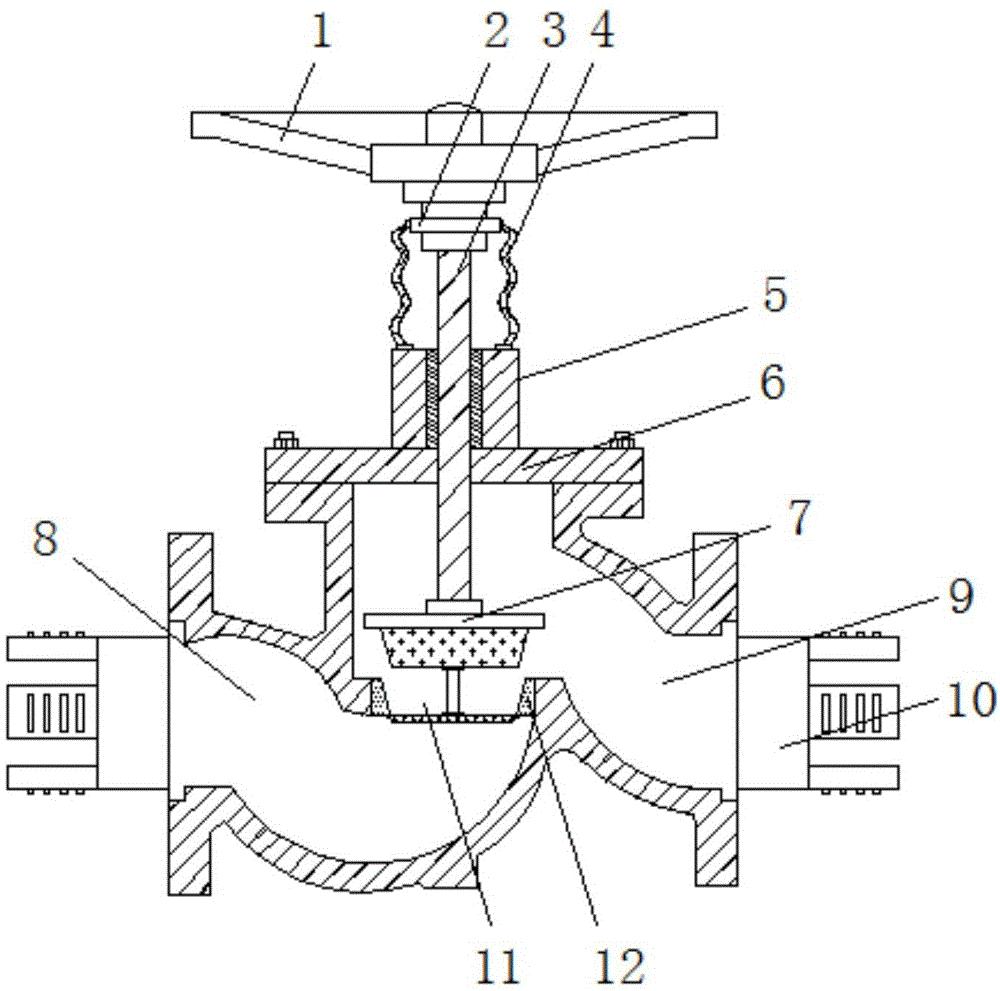
Its internal structure is shown in the following figure:
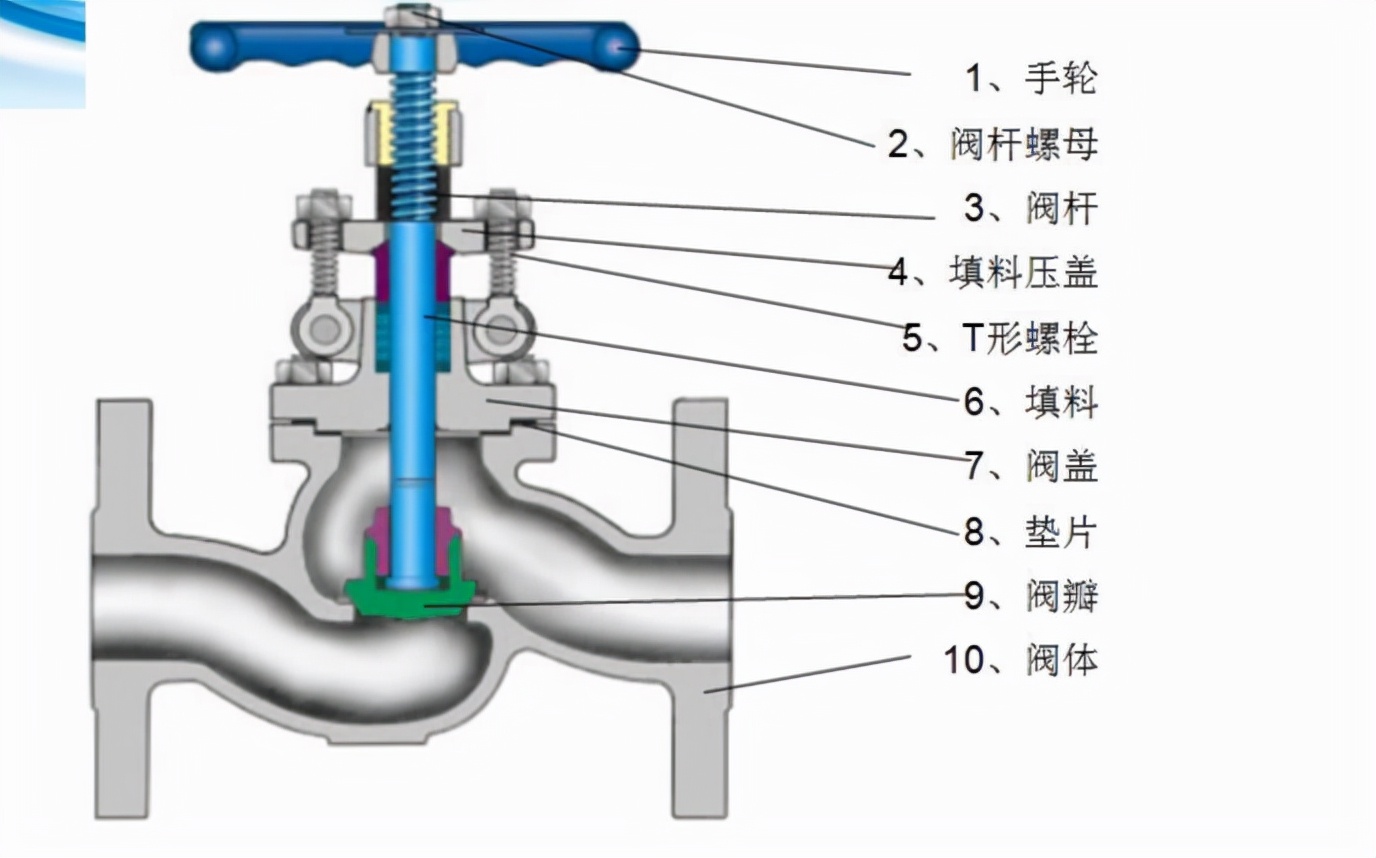
The valve disc of the globe valve can be made into a plug type, and the sealing surface can be made into a conical shape. In this way, the spiral lifting valve stem drives the valve disc, which can realize the function of controlling fluid flow and has good fluid flow regulation function. And this type of valve has a relatively short opening and closing stroke and has good shut-off function. Therefore, this type of valve is widely used in projects with fluid media such as water, gas, steam, and oil products. It can be used for both regulation and shut-off, and is very applicable.
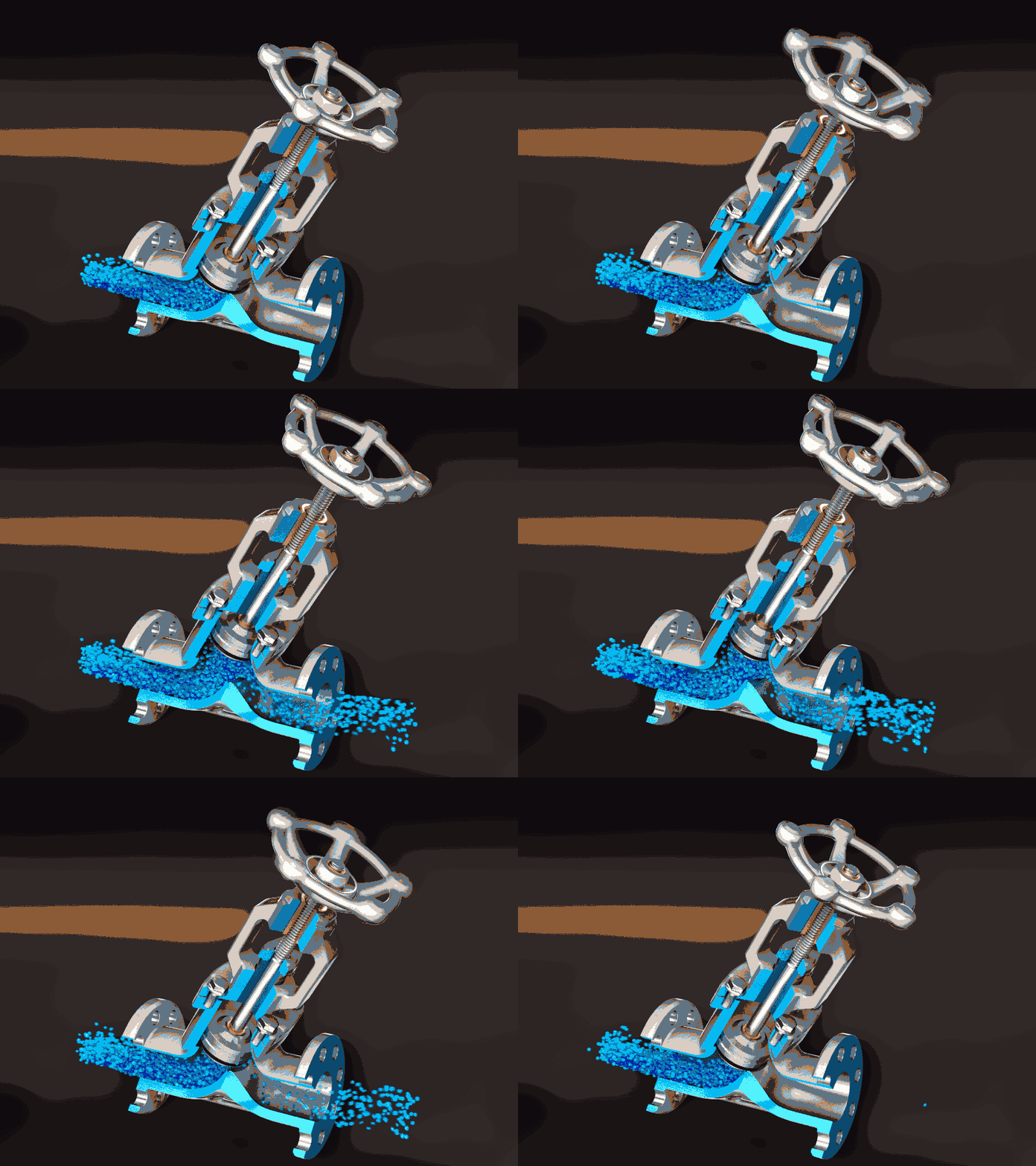
Additionally, since the valve disc of a globe valve does not create friction with the valve body, it has relatively good sealing performance and a longer service life, which are its advantages. Of course, since it is a forced-seal type valve, its opening and closing torque is relatively large, making it difficult to achieve rapid opening and closing. Moreover, the internal passage of the valve body is quite tortuous, resulting in significant resistance that causes dynamic power loss of the fluid, which are its disadvantages.
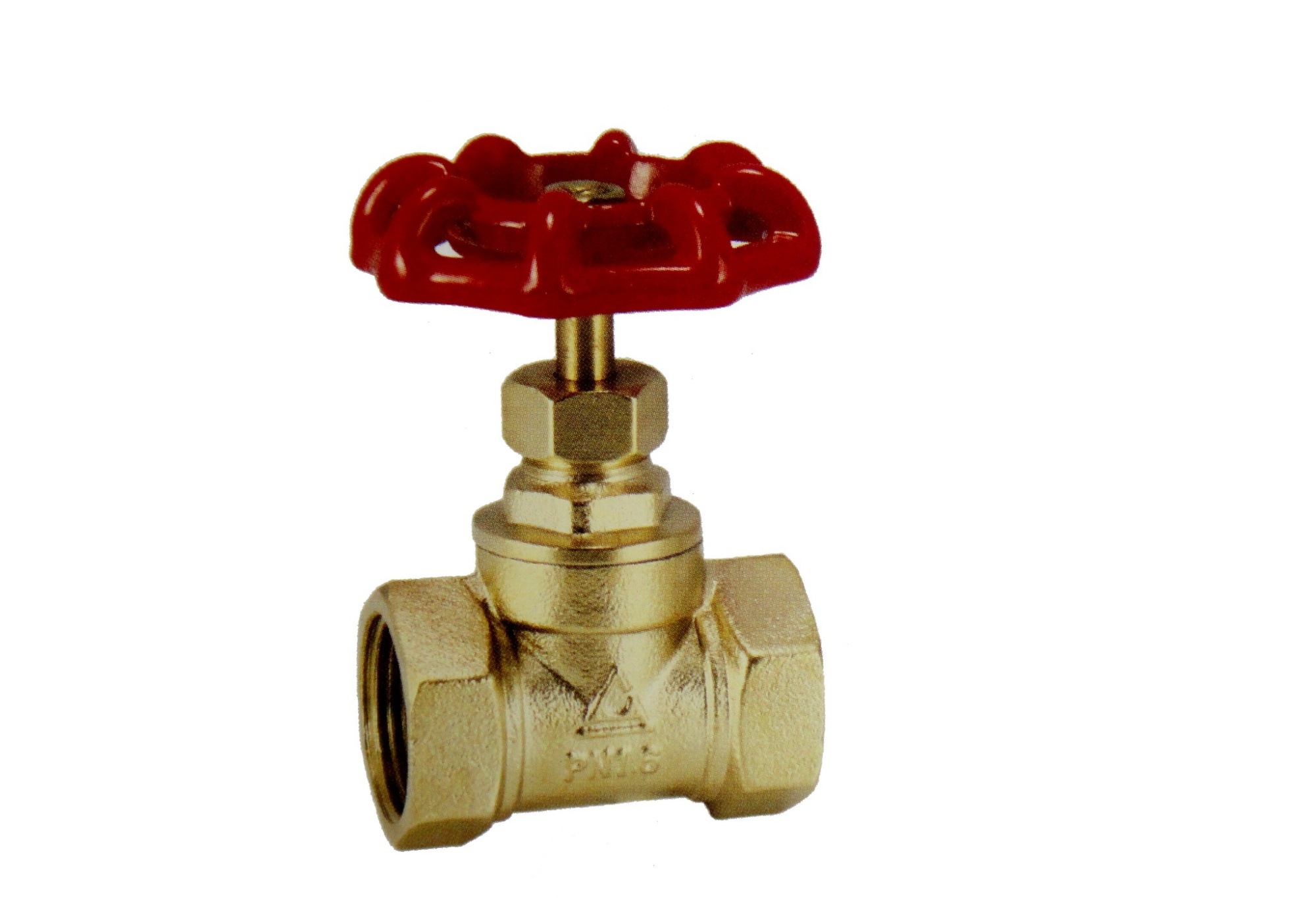
The above provides a brief understanding of the working principle, functions, and related advantages and disadvantages of globe valves. In fact, in our daily life, we encounter their installation and use most frequently. Let me continue with the introduction.
Globe Valve Installation
Regarding the installation of globe valves, it is not complicated and is similar to other types of valves. Reserve the appropriate dimensions, follow the connection method - threaded connections for threaded types, and flange connections according to flange connection requirements - nothing special. However, during actual installation, the following three points should be noted:
1. Directionality
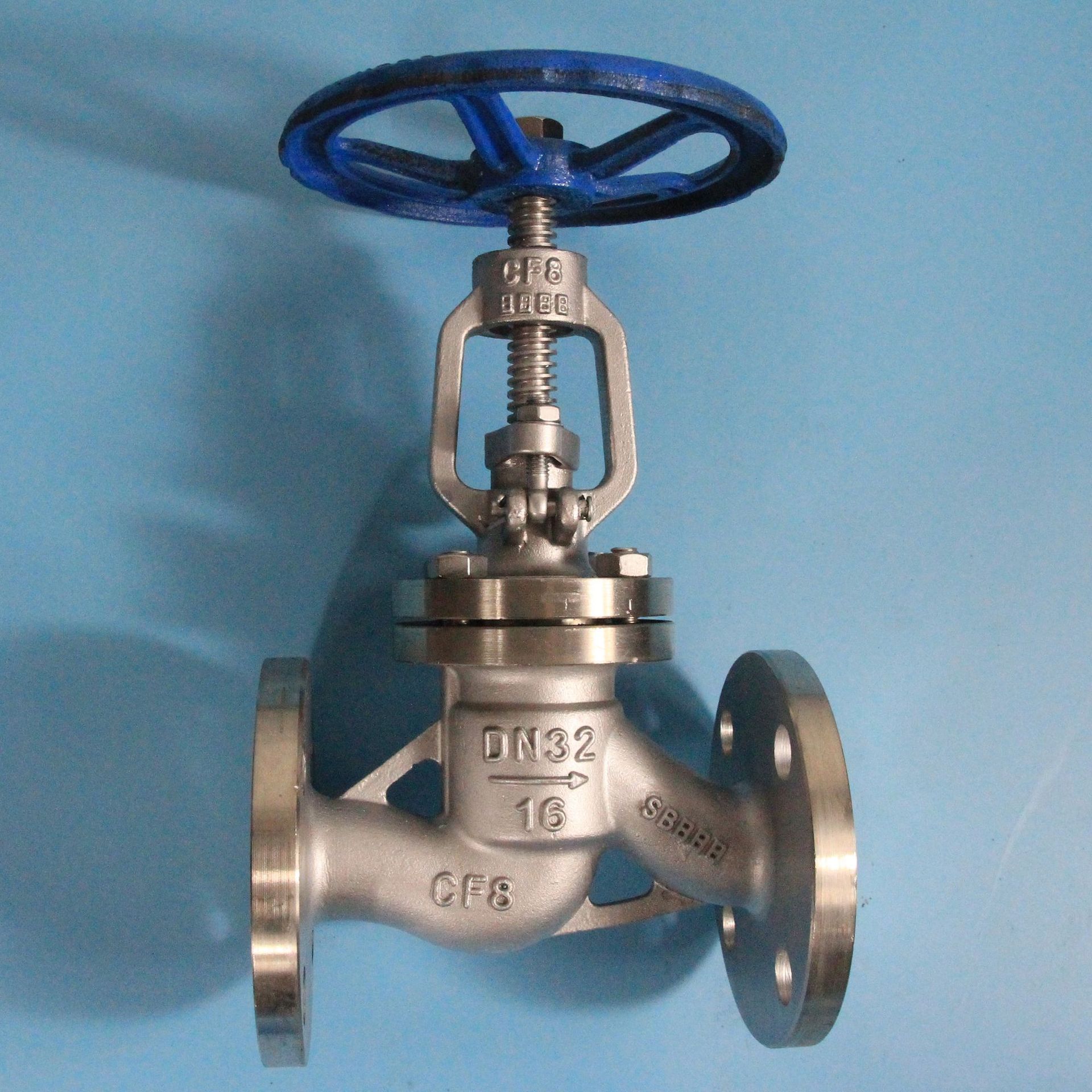
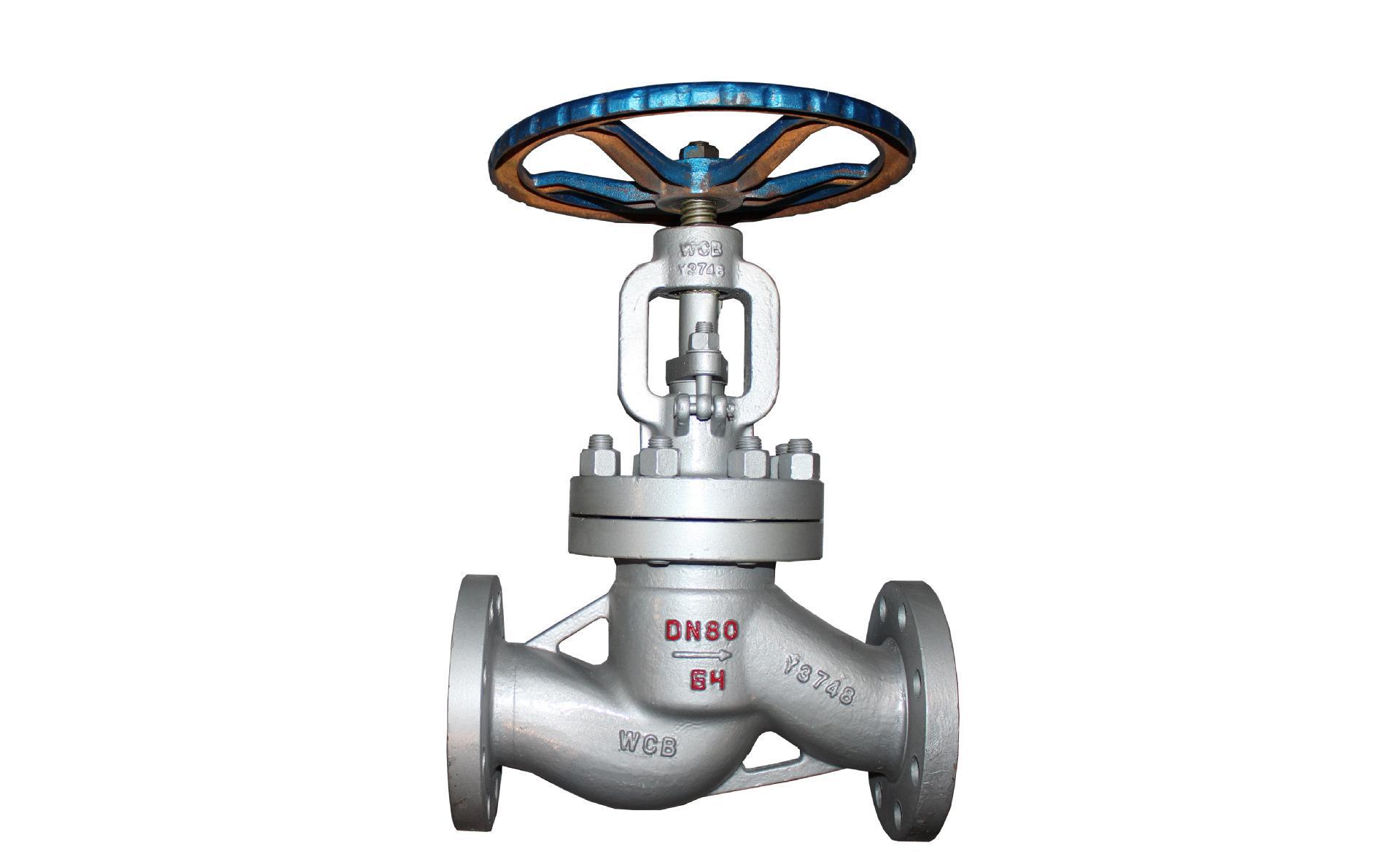
Globe valves have directionality and must be installed in the correct direction. Generally, there is a directional arrow marking on the valve body, and we can install it by aligning the fluid flow direction with the arrow direction. If there is no arrow marking, you can determine the direction according to the "low in, high out" principle. If the inlet and outlet height cannot be visually determined from the valve body, you can check the valve's end connections and feel with your hand - the one going upward is the outlet, and the straight-through one is the inlet. This directionality is very important; do not install it backwards.
2. Handle and handwheel type globe valves have no installation position requirements
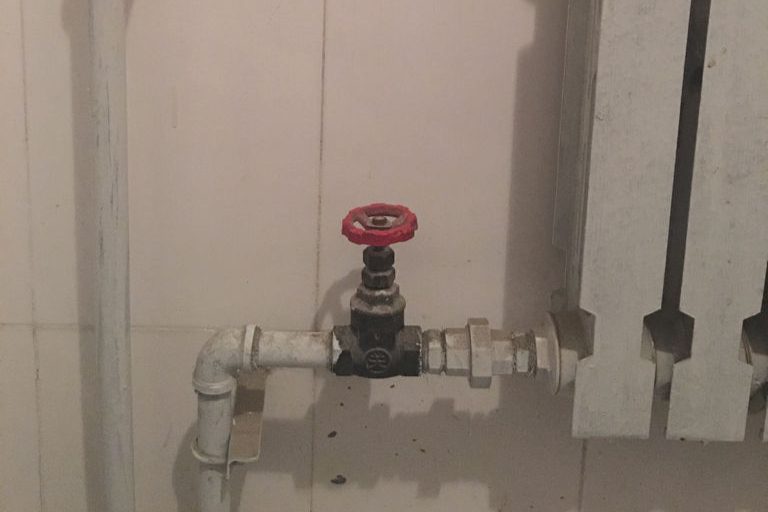
For globe valves with stems and handwheels, there is no need to deliberately require horizontal or vertical installation during installation. There are also no requirements for the orientation of the valve stem. As long as it is convenient to operate and the position is appropriate, installation can be done. However, for self-operated globe valves, such as automatic shut-off valves used in gas systems, there is a requirement for horizontal installation with the valve stem facing upward, mainly to consider the effect of gravity for greater sensitivity.
3. Globe valve stem raising and lowering requires space
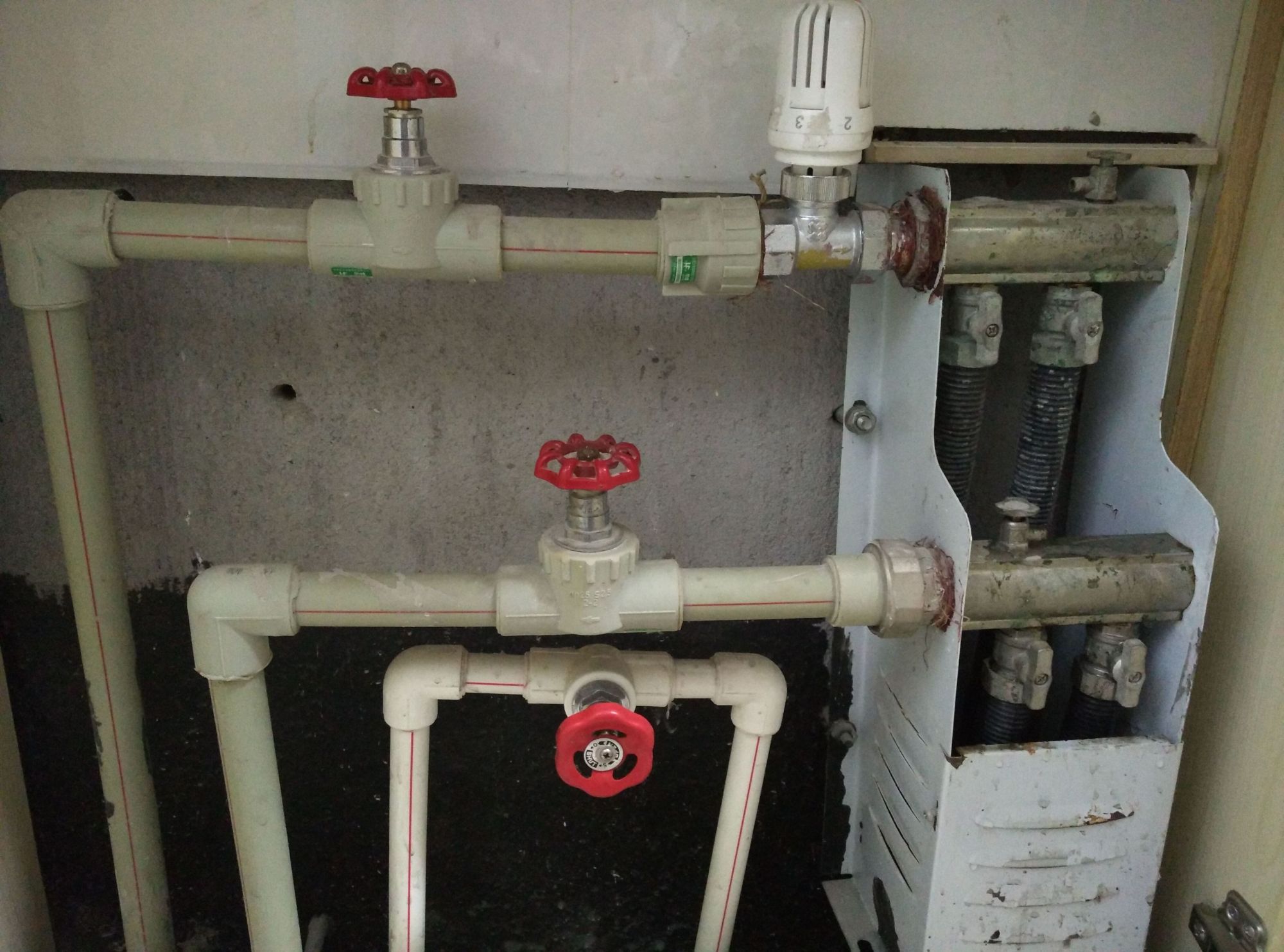
According to the opening and closing working principle of globe valves, the valve stem is extended in the open state and shortened when closed. Therefore, during installation, **it is necessary to not only reserve operating space at the stem location, but also consider the vertical raising and lowering space of the stem to prevent the valve from being unable to open and close normally.
These are some installation requirements for globe valves. Among them, the most controversial and most likely to occur is the directionality of installation. Some friends may ask, what will happen if the globe valve direction is installed incorrectly? This indeed has ** impact.
What problems exist when globe valve direction is installed in reverse?
As a globe valve, its installation requirement is to install according to the indicated direction. If installed in reverse, the following situations may occur:
1. Opening after closing is more laborious
According to the structure of the globe valve, we can see that the internal passage of the valve body resembles a horizontal "S" shape, with the valve disc positioned in the middle of the S-shape, dividing the two passages. When closing, the valve disc is forced to press tightly against the valve seat to achieve sealing. In this way, only the lower part of the fluid is pressurized, making it relatively easy to open. However, if reversed, with the upper part pressurized, the pressure will apply force to the valve disc, pressing it tightly, making it more difficult to open.
2. May affect valve sealing performance
Also according to the structure of the globe valve, we can see that the main sealing areas of the globe valve are in the upper part, including the stem seal and the bonnet seal. If the flow is from top to bottom, when the valve is closed, the upper half remains under pressure. If the valve has poor sealing, it will still leak outward even when the valve is in the closed state. In the opposite direction, there is no such concern.
3. Dirt entering the valve affects usage
I believe friends all know that when we transport fluids such as water through pipelines, there may be some sediment, rust, and other contaminants inside. According to the structure of the globe valve, if the flow exits the valve from top to bottom, due to the valve disc factor, sediment and dirt are likely to accumulate on the upper part of the valve disc, and even on the valve stem and throughout the entire upper cavity. Since the valve disc and stem move up and down, these deposits will obstruct the up and down movement of the valve disc, potentially preventing normal valve operation.
Globe Valve Operation
In order to ensure the long-term normal operation of globe valves, we should understand their daily operation and maintenance. The following matters need to be understood:
1. Opening and closing operation method. For normal globe valves facing the handle, clockwise direction is to close or reduce the globe valve, and counterclockwise direction is to open or increase the regulation.
2. Do not use excessive force when fully opening the valve. Generally, after the globe valve is fully opened, the handle cannot rotate anymore, indicating that the valve stem has been fully extended. If brute force is used, it may cause damage to the globe valve threads and affect the normal use of the valve. The correct method is to open slowly, and when rotation becomes difficult, turn back slightly to complete the operation.
3. Use high-speed fluid to flush dirt inside the valve body. If the globe valve remains open for a long time, some dirt may adhere to the valve disc and sealing seat, causing the valve to close improperly. In this case, we can try to adjust the globe valve to a low flow state and use the high-speed fluid to flush away the dirt, and this can be repeated. This is also a daily operation method to solve the problem of improper closure of globe valves.
4. Press down on the handle to assist in closing the valve. When the fluid delivery pressure is high and it is difficult to close the globe valve, we can try to apply a slight longitudinal force to the handle, but pay attention to the force applied, which will make it easy to close the valve.
Conclusion
That's all the content about globe valves we've covered today. To summarize, a globe valve is a forced-sealing valve whose installation requires attention to directionality, following the arrow markings for proper installation. If not installed according to requirements and installed in reverse, it will cause the valve to be difficult to open, affect the valve body's sealing performance and service life, and prevent normal opening and closing. To help everyone better use globe valves, we've explained four methods for operating globe valves. We hope this can be of some help to you.